
We Are Alliance Jiu-Jitsu. But What Is the Difference Between Jiu-Jitsu and Karate?
October 27, 2026
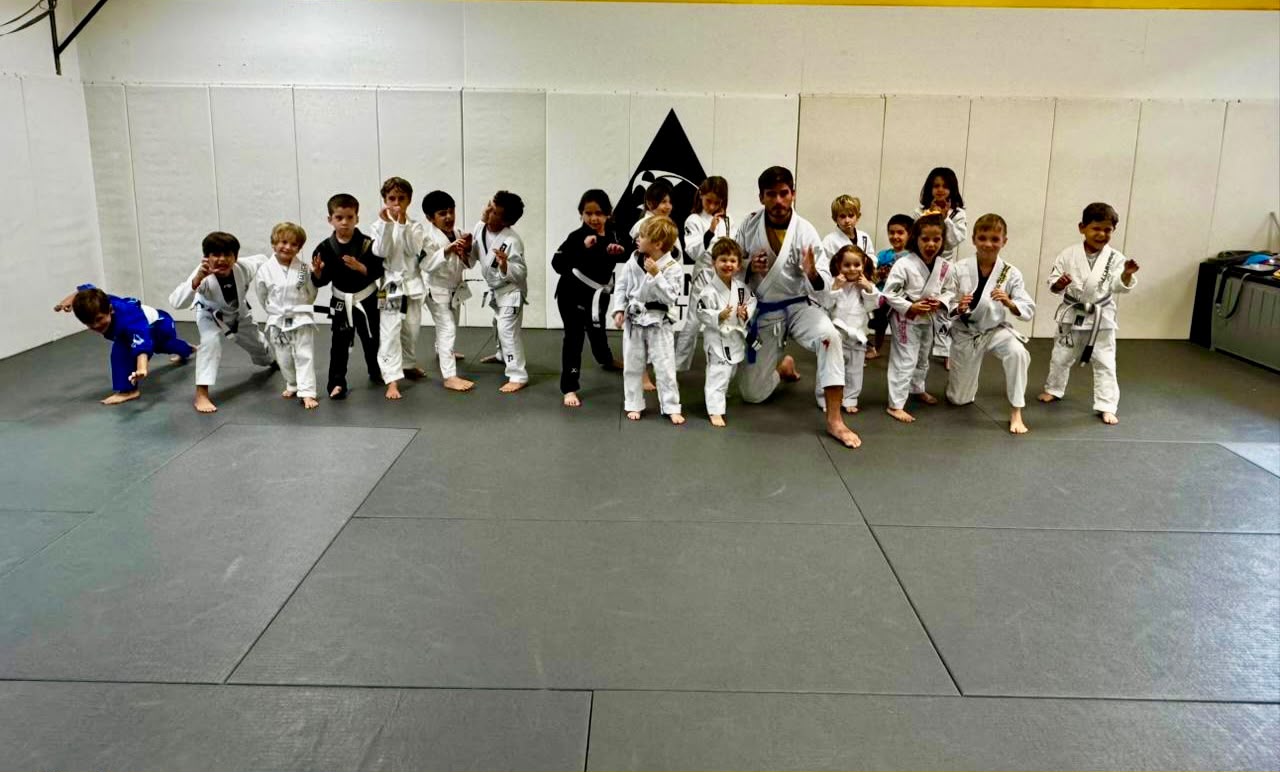
Alliance Jiu-Jitsu is a Brazilian Jiu-Jitsu academy. We teach Jiu-Jitsu, not Karate. But what exactly makes these two martial arts different?
Choosing a martial art for your child can be harder than it seems. Karate and Brazilian Jiu-Jitsu are two popular options, and both have a long tradition of teaching discipline, respect, and physical skills.
But they offer very different experiences.
While Karate often focuses on punches, kicks, stances, and striking techniques, Brazilian Jiu-Jitsu teaches children how to use balance, leverage, positioning, and control.
For many parents, the biggest reason to choose Jiu-Jitsu has little to do with learning how to fight.
It has to do with what children learn about themselves and the people around them.
What Is the Difference Between Karate and Brazilian Jiu-Jitsu?
Karate is a traditional Japanese martial art that emphasizes striking techniques. Depending on the style, students practice punches, kicks, blocks, forms, and controlled sparring.
Brazilian Jiu-Jitsu takes a different approach.
Instead of relying on strikes, children learn how to control another person's movements, escape difficult positions, maintain their balance, and use technique when facing someone stronger.
One of the most noticeable differences is how much children interact with their training partners.
In Jiu-Jitsu, they regularly practice techniques with another person who moves, reacts, and makes decisions.
A child might learn a technique during instruction, try it with a partner, and discover that it doesn't work exactly as expected.
They have to adjust, pay attention, and try again.
That experience helps children develop patience, problem-solving skills, and the ability to stay calm when something becomes difficult.
Discipline Is Learned Through Everyday Actions
Parents often look for martial arts because they want their children to become more disciplined.
Both Karate and Jiu-Jitsu can support that goal. What makes Jiu-Jitsu particularly interesting is how frequently children must practice discipline while interacting with someone else.
They need to listen when the instructor explains a technique.
They must wait their turn, follow safety rules, and pay attention to their partner.
They also learn that not every moment is about doing what they want.
At Alliance Jiu Jitsu Key Biscayne, discipline is part of the children's teaching methodology.
The academy considers attendance, behavior, organization, and commitment alongside technical development.
Even something as simple as arriving prepared for class, taking care of a uniform, or helping a classmate is part of the learning process.
These habits take time to develop.
With consistency and guidance, they can become useful outside the academy, too.
Understanding Respect and Hierarchy
Respect is an important part of martial arts, but children need to understand what it actually means.
In Jiu-Jitsu, the instructor leads the class, explains techniques, establishes rules, and makes sure students train responsibly.
More experienced students also have a role.
They set examples for beginners, help younger students understand techniques, and show how to behave during training.
A child begins to understand that experience and responsibility deserve respect.
They also learn that becoming more experienced doesn't give someone permission to mistreat others.
A higher belt comes with greater responsibility toward the people who are still learning.
This creates a healthy understanding of hierarchy.
Children learn when to listen, when to ask questions, and how to treat others with respect, regardless of their belt level.
Jiu-Jitsu Teaches Children to Work Together
One of the most valuable parts of Brazilian Jiu-Jitsu is the relationship between training partners.
Children cannot practice most techniques entirely on their own.
They need someone willing to help them learn.
During class, partners take turns practicing, adjusting their movements, and giving each other an opportunity to improve.
An experienced child may need to slow down for someone who is still learning.
A beginner may need encouragement after struggling with a technique.
Over time, children can begin to see their classmates as teammates rather than opponents.
They learn to celebrate someone else's progress, offer help, and accept help when they need it.
For a shy child, these interactions can create opportunities to make friends.
For a competitive child, they offer lessons in cooperation and consideration.
Jiu-Jitsu gives children a reason to connect through a shared activity.
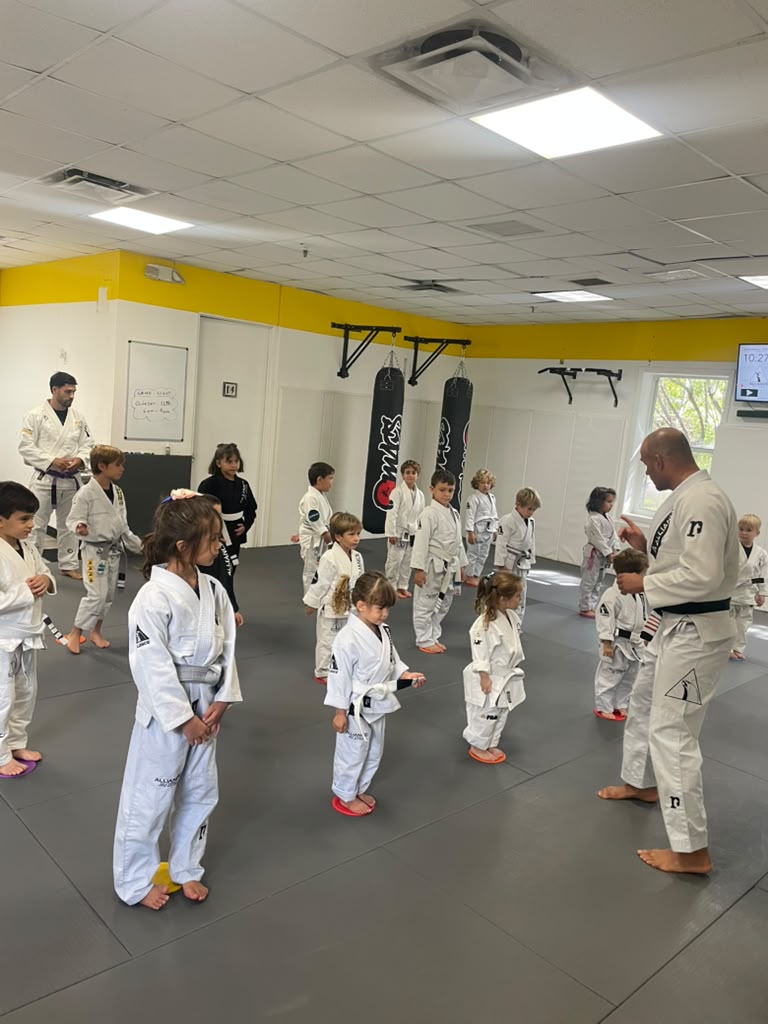
Confidence Comes From Learning What You Can Do
Confidence is often mentioned as a benefit of martial arts.
In Brazilian Jiu-Jitsu, children have opportunities to build it through practical experiences.
A child who struggles to maintain balance during the first classes may eventually learn how to control their position.
Someone who initially feels uncomfortable practicing with a partner may become more confident as the movements become familiar.
Progress doesn't always happen quickly.
Sometimes a child spends several classes trying to understand one movement.
When they finally succeed, they recognize that their effort made a difference.
This is especially meaningful for children who become frustrated easily or feel discouraged when they aren't immediately good at something.
They learn that making mistakes is part of improving.
Learning to Handle Frustration and Losing
Not every training session goes well.
Sometimes another student is faster. Sometimes a technique doesn't work. Sometimes a child needs to stop, reset, and begin again.
Jiu-Jitsu creates opportunities to experience these situations in a supervised environment.
Children learn that losing a round doesn't mean they have failed as a person.
They can listen to feedback, recognize what happened, and return to practice.
Winning also comes with responsibility.
Students are expected to respect their partners, use appropriate control, and avoid celebrating in ways that embarrass others.
Learning to deal with both success and disappointment is useful far beyond sports.
Self-Defense Without Relying on Punches and Kicks
Self-defense is another major difference between Karate and Brazilian Jiu-Jitsu.
Karate generally develops striking, distance management, movement, and defensive techniques.
Brazilian Jiu-Jitsu focuses on controlling physical contact and escaping uncomfortable positions.
Children practice maintaining balance, protecting themselves, creating space, and getting away from certain holds.
They also learn an important safety rule: when a partner taps to signal submission, the technique must stop immediately.
This helps establish clear boundaries during physical training.
For parents concerned about bullying, Jiu-Jitsu can offer useful skills and greater familiarity with physical contact.
However, knowing self-defense does not mean a child should confront every problem physically.
Avoiding conflict, seeking help from adults, and recognizing unsafe situations remain essential lessons.
The goal is for children to become more capable without becoming more aggressive.
Physical Development and Coordination
Brazilian Jiu-Jitsu offers more than technical instruction.
Classes involve movements that challenge balance, coordination, flexibility, strength, and body awareness.
Children learn how to move their bodies in unfamiliar positions.
They practice shifting their weight, controlling their posture, and coordinating different movements.
Younger children may work on these skills through games and simple exercises.
Older students can gradually develop more complex techniques as their understanding improves.
Regular physical activity also gives children an opportunity to spend time away from screens, interact with other children, and establish an active routine.
As with any sport, progress depends on consistent participation and instruction appropriate to each child's age and abilities.
Why Training Partners Matter So Much
There is another lesson that often goes unnoticed by parents watching their first Jiu-Jitsu class.
Children are responsible for the safety of the person training with them.
A student who knows a technique must learn to apply it with control.
A stronger child must understand that strength alone isn't a reason to overpower a smaller training partner.
When someone is having difficulty, the appropriate response is to adjust and help.
These moments teach children to pay attention to how their actions affect other people.
Empathy, patience, and responsibility become part of what happens during training.
That is one of the qualities that makes Jiu-Jitsu such a valuable team activity, even though it is often practiced one-on-one.
Is Jiu-Jitsu Better Than Karate for Kids?
Both martial arts can be excellent choices.
Karate offers valuable lessons in discipline, coordination, traditional techniques, and respect. A child who enjoys striking movements, forms, and structured technical practice may love it.
Brazilian Jiu-Jitsu is particularly appealing to families who want their children to develop practical grappling skills while regularly working with training partners.
Its emphasis on physical problem-solving, cooperation, control, and adapting to resistance creates a distinctive learning environment.
The right choice also depends on the instructor, the academy, and the child's personality.
A well-taught class in either martial art can have a positive influence.
What matters most is finding an environment where your child feels supported, stays interested, and has room to grow.
How Alliance Key Biscayne Helps Children Grow
At Alliance Jiu Jitsu Key Biscayne, the children's program is designed for students ages 3 to 15, with classes organized according to age and development.
Younger children are introduced to the fundamentals through age-appropriate movements and activities.
As students grow, the curriculum becomes more technical while continuing to emphasize behavior, relationships, and personal responsibility.
The Alliance methodology considers more than a student's ability to perform a technique.
Discipline, attendance, respect for classmates, organization, and commitment are also part of how children develop within the academy.
The children's colored-stripe system recognizes behavioral progress alongside the traditional technical journey.
This gives instructors opportunities to reinforce habits that matter both on and off the mat.
Parents can explore the Kids Jiu-Jitsu Program and learn more about the Alliance Kids Teaching Methodology.
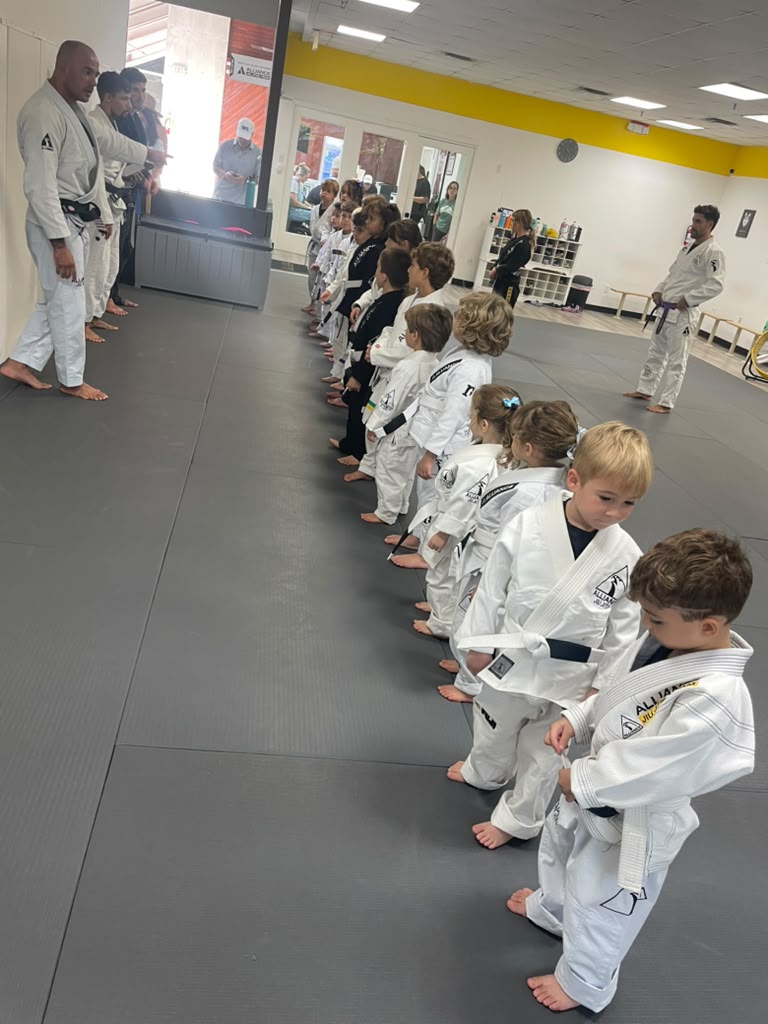
Let Your Child Experience Jiu-Jitsu
Reading about martial arts can help you understand the differences.
Watching your child participate in a class tells you much more.
You can see how the instructor communicates, how students treat their training partners, and how your child responds to the environment.
Some children feel comfortable immediately. Others need a little time.
Both are normal.
If you're considering martial arts for your child in Key Biscayne, Alliance offers a free introductory Jiu-Jitsu class.
Visit the academy, meet the instructors, and give your child the opportunity to experience the training.
Schedule Your Child's Free Trial Class at Alliance Key Biscayne
971 Crandon Blvd, Units 927 and 929, Key Biscayne, FL 33149.
Keep reading
Popular Articles
October 14, 2026
Why the Jiu-Jitsu Uniform Matters at Alliance Key Biscayne
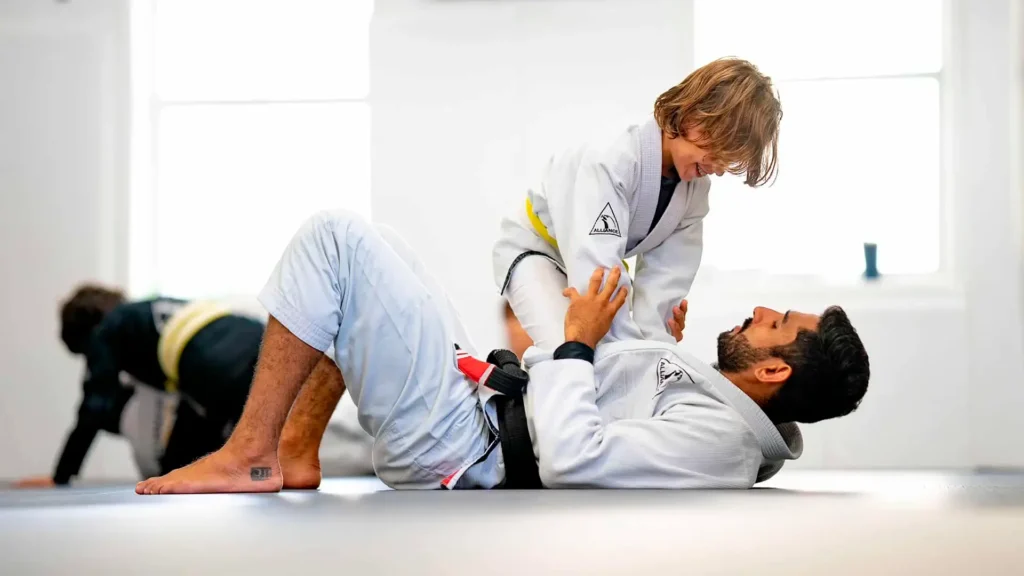
October 14, 2026
Private Jiu-Jitsu Lessons vs. Group Classes: Which Is Right for You?
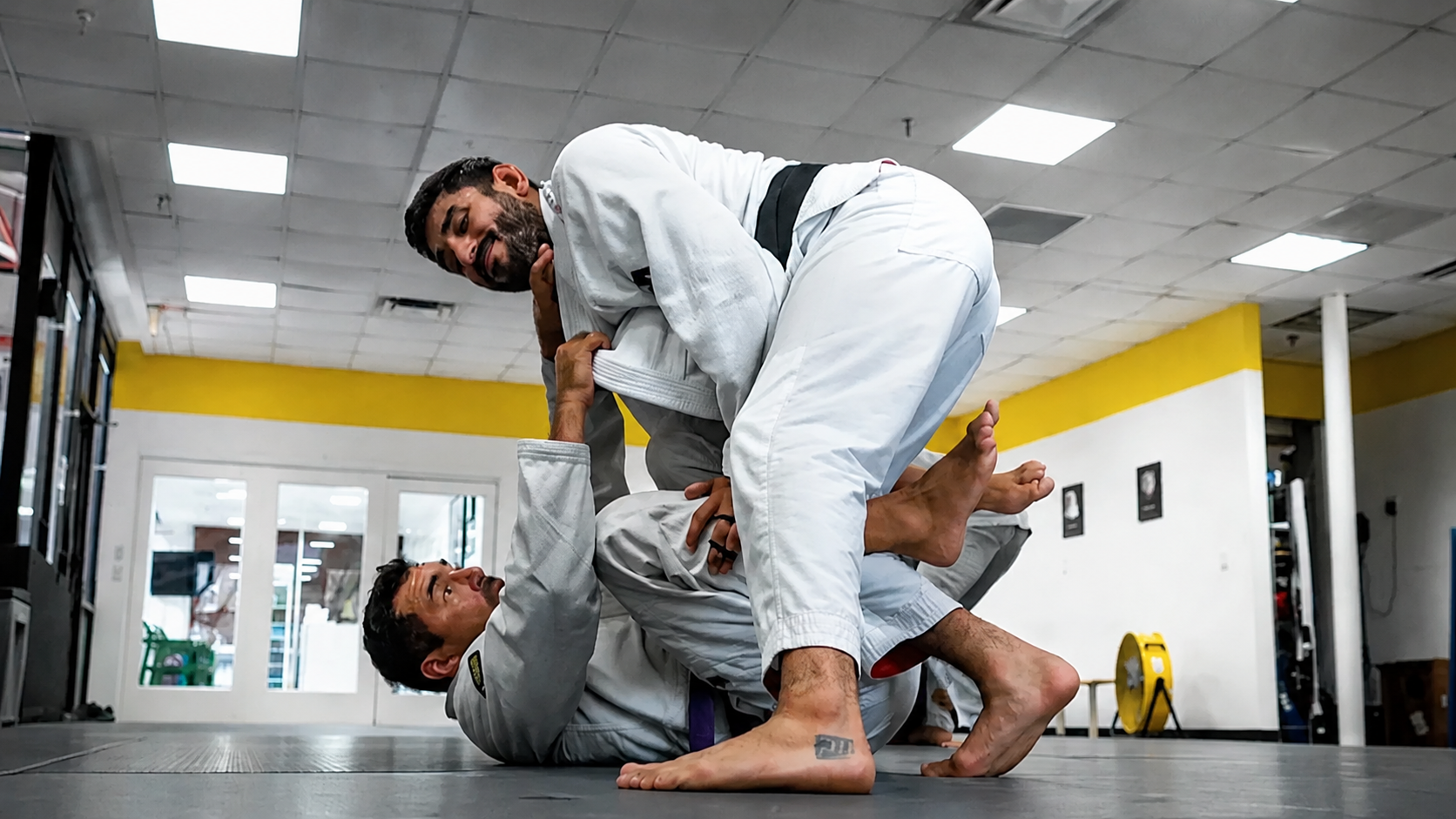
October 5, 2026
Why Training Jiu-Jitsu Once a Week Can Feel Like Starting Over
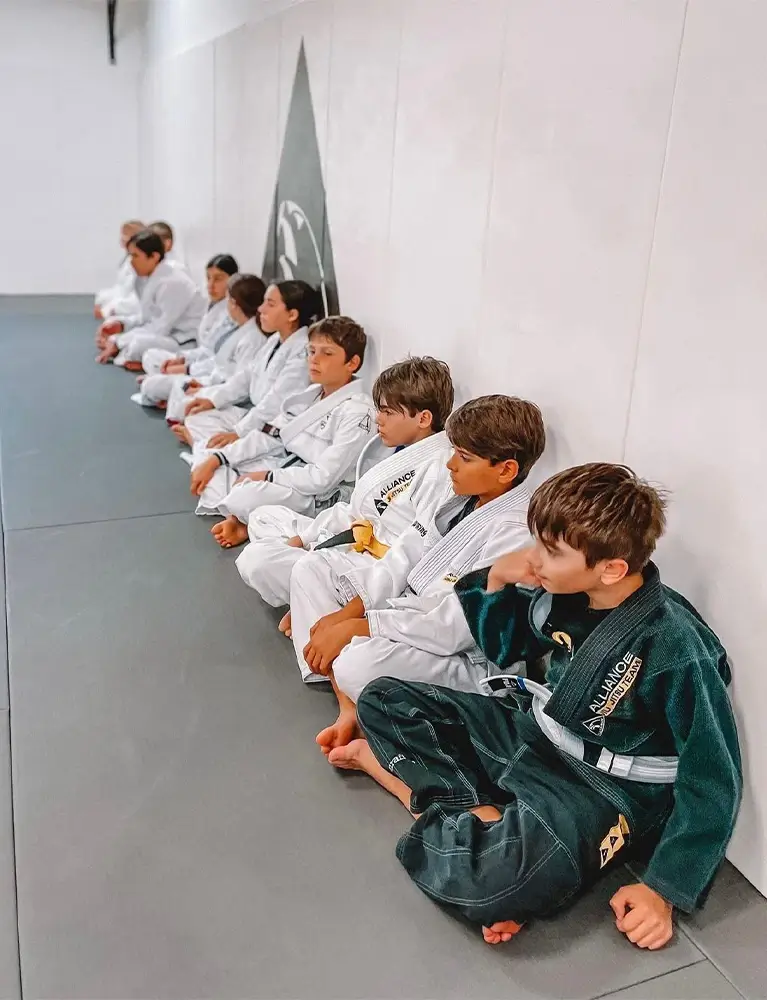
March 19, 2025
Legacy and Future of Alliance Jiu-Jitsu
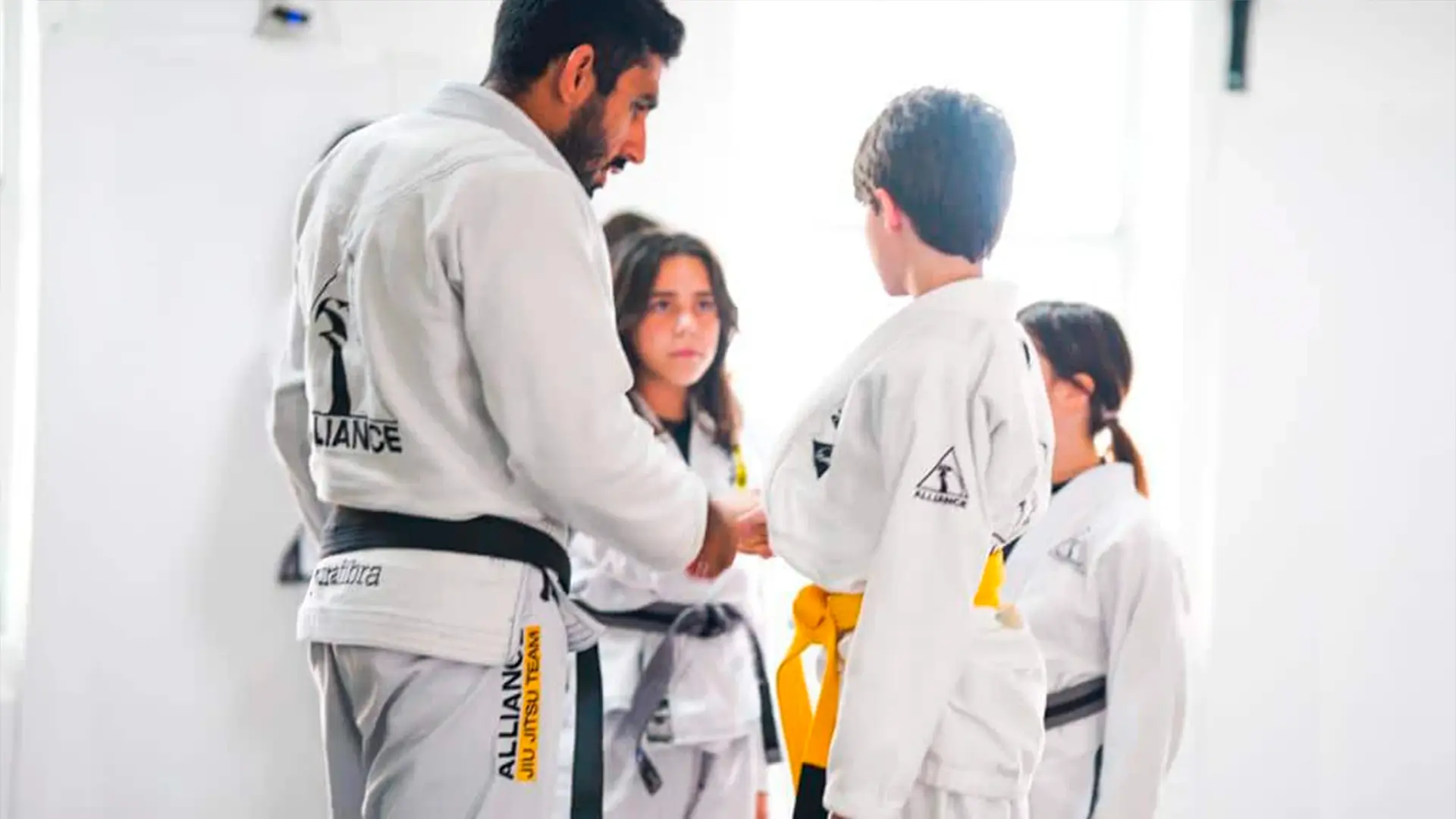
March 19, 2025
Alliance Key Biscayne: Jiu-Jitsu for Everyone
March 19, 2025
The History Of The Alliance Association
March 19, 2025
The Importance of History and Lineage in Jiu-Jitsu and the Connection of Alliance with the Gracie Tradition
January 5, 2024
The Origins of Brazilian Jiu-Jitsu and Its Evolution in the World
October 19, 2026
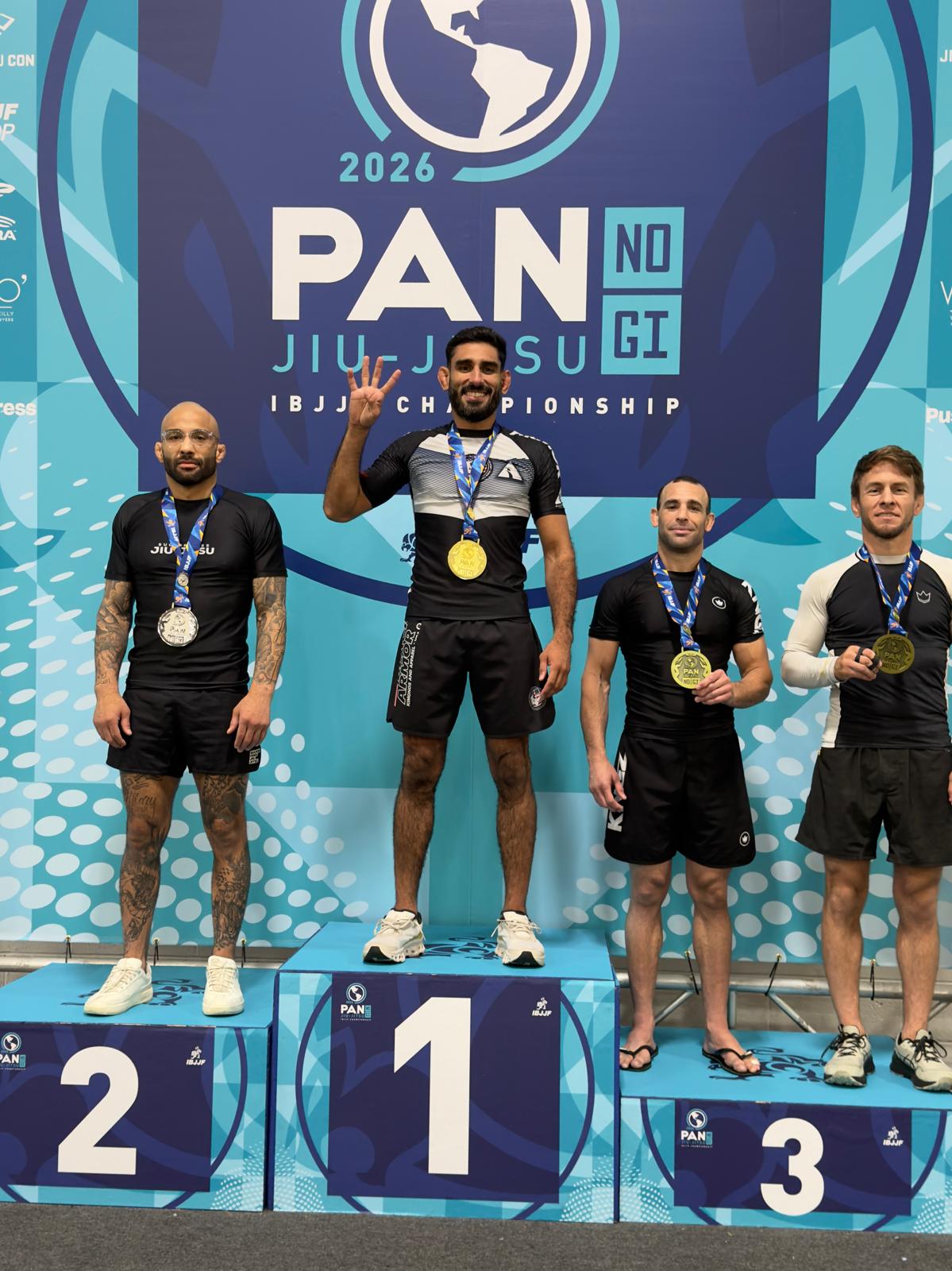
Lucas Araújo Wins Fourth IBJJF Pan No-Gi Title: What It Means for Jiu-Jitsu in Key Biscayne
October 23, 2026