
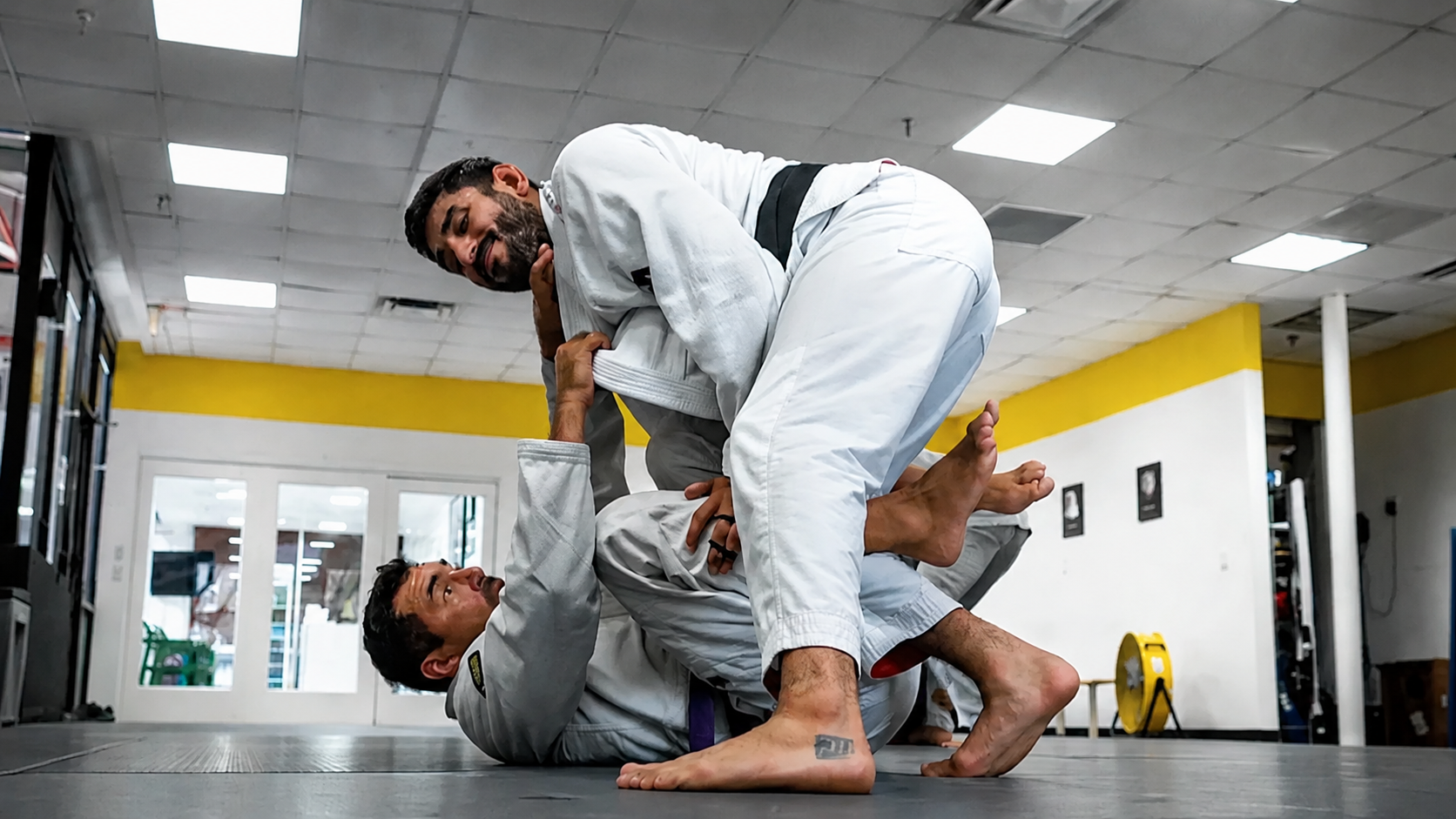
A lot of adults start Jiu-Jitsu with a simple goal. They want to get in better shape, learn something useful, relieve stress or find an activity they actually enjoy.
The first classes are exciting because everything is new. You start learning how to move, how to control your body, how to use leverage and how to react in situations you have never experienced before.
But when you train only once a week, something common can happen.
You learn a technique, practice it during class and feel like you are starting to understand it. Then several days go by. When you come back, part of that familiarity is gone and you need some time to remember the details again.
This can make progress feel slower than it really is.
Jiu-Jitsu Requires Repetition
Jiu-Jitsu is not only a workout. It is a skill.
You can understand a technique when your instructor explains it, but being able to use it naturally takes time and repetition.
Small details matter. Hand position, balance, timing, pressure and movement all become easier when you practice them more often.
If you train once a week, you are still learning, but there is a longer gap between each opportunity to repeat those movements.
Training two or three times a week gives you more chances to see the same positions again while they are still fresh in your mind.
That extra repetition can make a big difference over time.
Why Other Beginners May Look Like They Are Improving Faster
It is common to compare yourself with people who started training around the same time.
One student may train once a week while another trains three times a week.
After a few months, the difference can become noticeable.
It does not automatically mean that one person is more talented.
The student who trains more often simply has more opportunities to practice, make mistakes, ask questions and become familiar with different situations.
If you are training less often, comparing your progress with someone who spends much more time on the mat can be frustrating.
Sometimes the problem is not your ability. You may simply need more consistency.
You Do Not Need to Train Every Day
Most adults have work, family and other responsibilities.
Training every day is not realistic for everyone, and it is not necessary.
For many people, two or three classes per week can create a much better rhythm.
You are able to return to class before everything from the previous session feels distant.
You remember more.
You start recognizing positions faster.
You get more opportunities to practice the techniques that gave you trouble.
Over time, the classes begin to connect with each other instead of feeling like separate experiences.
That is when many students start feeling real progress.
Consistency Also Helps You Become Part of the Academy
There is another important part of training that has nothing to do with technique.
The more often you show up, the more people you get to know.
You train with the same partners, see familiar faces and start building relationships naturally.
After some time, going to class feels different.
You are not just walking into a room full of people you do not know. You are training with teammates.
That sense of community is one of the reasons many adults stay in Jiu-Jitsu for years.
People from different professions, backgrounds and age groups end up sharing the same mat and helping each other improve.
Jiu-Jitsu Can Influence Other Habits
As training becomes part of your routine, you may also start paying more attention to other areas of your life.
Maybe you want better cardio because you are getting tired during rounds.
Maybe you decide to work on your strength or mobility.
You may start thinking more about sleep, recovery and nutrition because you notice how much they affect the way you feel during training.
These changes usually happen naturally.
You want to feel better on the mat, so you start taking better care of yourself outside the academy too.
For some people, this is when Jiu-Jitsu becomes more than just another activity.
It becomes part of their routine and lifestyle.
Progress Comes From Staying Consistent
Everyone has difficult classes.
There will be days when you forget techniques, get tired quickly or feel like nothing is working.
That is normal.
Progress in Jiu-Jitsu rarely happens in a straight line.
The important thing is continuing to train often enough for your body and mind to become more familiar with what you are learning.
You do not need to be the most athletic person in the room.
You do not need to learn everything quickly.
You need time, repetition and consistency.
For many adults, training two or three times per week creates enough continuity to make learning easier and progress more noticeable.
Adult Jiu-Jitsu in Key Biscayne
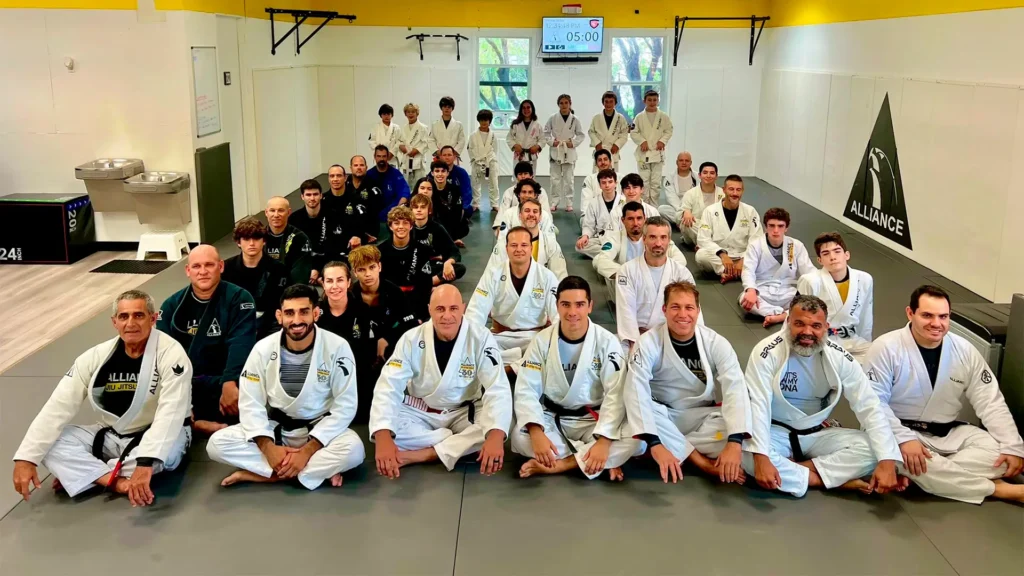
Alliance Jiu Jitsu Key Biscayne offers adult classes for students 16 and older, including complete beginners and experienced practitioners.
The program gives students the opportunity to develop their skills gradually while training in a structured environment.
If you have been training once a week and feel like you are always trying to remember what you learned in the previous class, increasing your training frequency may help you build more momentum.
You do not have to train every day.
You just need enough consistency for one class to connect with the next.
Ready to start training?
Book your free trial class at Alliance Jiu Jitsu Key Biscayne.
Keep reading
Popular Articles
March 19, 2025
Legacy and Future of Alliance Jiu-Jitsu
March 19, 2025
Alliance Key Biscayne: Jiu-Jitsu for Everyone
March 19, 2025
The History Of The Alliance Association
March 19, 2025
The Importance of History and Lineage in Jiu-Jitsu and the Connection of Alliance with the Gracie Tradition
January 5, 2024