
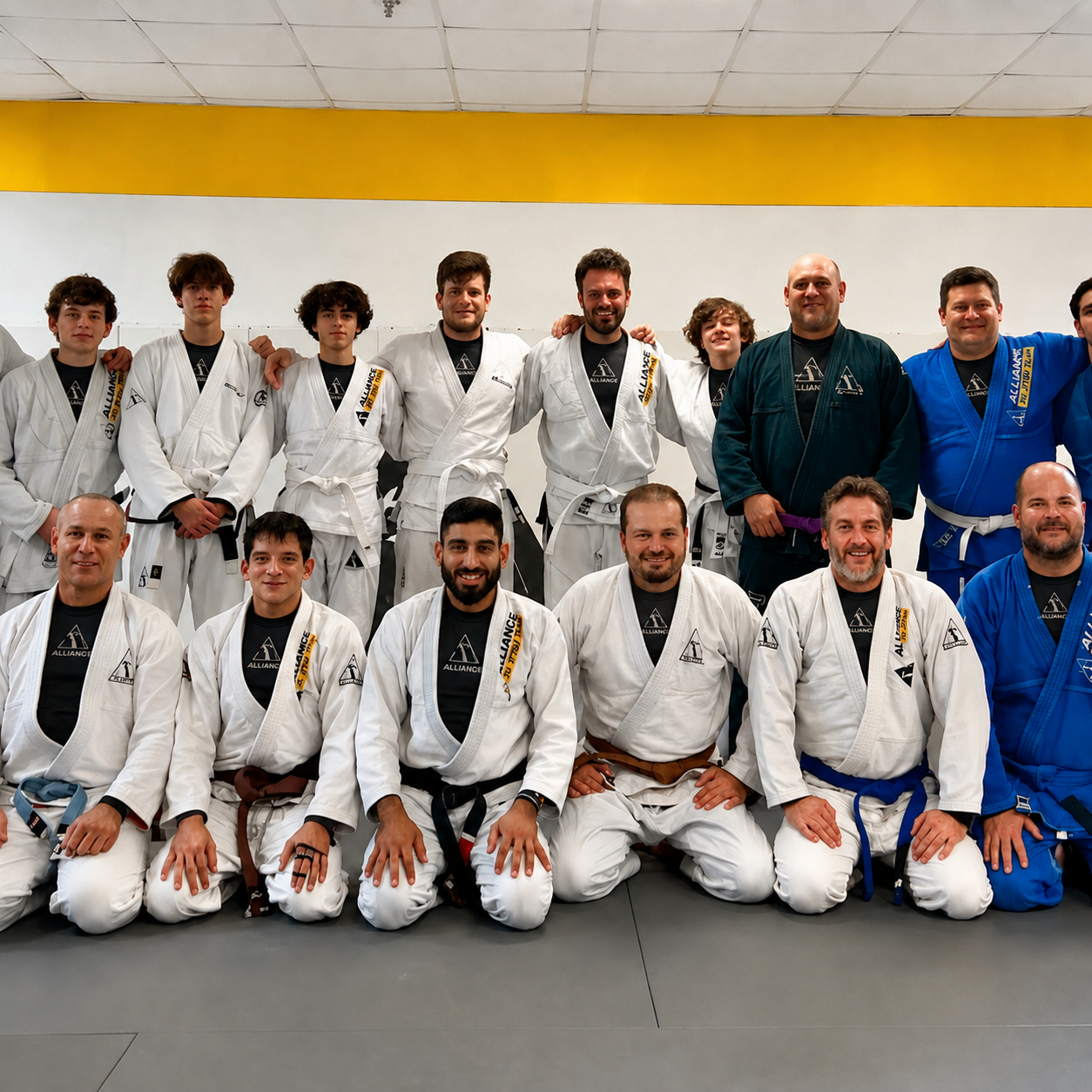
Brazilian Jiu-Jitsu is one of the most influential sports in the martial arts scene and has established itself as one of the most effective disciplines for self-defense and competition. Its history is marked by tradition, innovation, and continuous evolution. From its arrival in Brazil to its global expansion, Jiu-Jitsu has undergone various transformations and has given rise to great teams that dominate the sport today.
The Arrival of Jiu-Jitsu in Brazil and the Gracie Family
The roots of Brazilian Jiu-Jitsu trace back to Japanese Jiu-Jitsu and Judo, which were developed from the martial arts of the samurai. In the early 20th century, the Japanese master Mitsuyo Maeda, also known as Count Koma, traveled the world demonstrating his art and competing against different fighters. In 1914, Maeda arrived in Brazil and established ties with Gastão Gracie, an influential businessman who helped him settle in the country.
As a gesture of gratitude, Maeda taught Jiu-Jitsu to Gastão's son, Carlos Gracie, who quickly mastered the art and passed his knowledge on to his brothers, including Hélio Gracie. Due to his smaller and weaker physical structure, Hélio struggled to apply some of the traditional techniques, leading him to modify Jiu-Jitsu, making it more efficient for smaller and less athletic individuals. This technical refinement led to the creation of Brazilian Jiu-Jitsu, characterized by leverage, strategic positioning, and ground control.
The Expansion of Jiu-Jitsu and the Rise of Great Teams
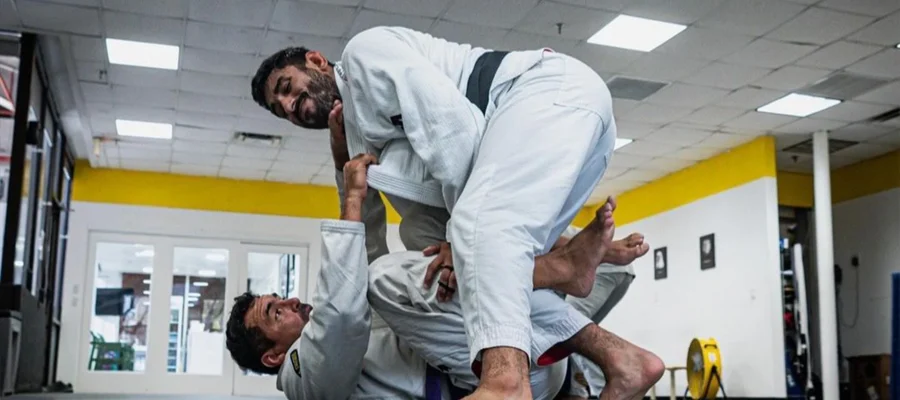
Over the decades, the Gracie family popularized Jiu-Jitsu through challenges against other fighting styles. The Gracie Challenges became legendary, proving the effectiveness of the Brazilian style. The sport gained even more momentum in the 1990s with the creation of the UFC (Ultimate Fighting Championship), where Royce Gracie showcased the superiority of Jiu-Jitsu by defeating opponents from various martial arts backgrounds, despite being physically smaller.
The success of Jiu-Jitsu led to the establishment of numerous academies and great teams that helped the sport evolve. Some of the most notable teams include:
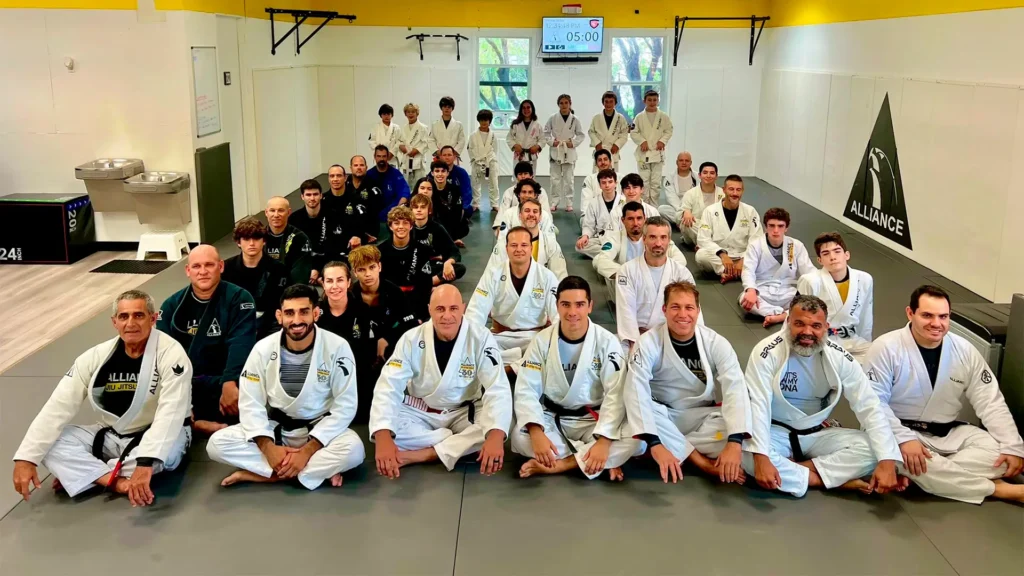
- Alliance Jiu-Jitsu – Founded by Romero “Jacaré” Cavalcanti, Fabio Gurgel, and Alexandre Paiva, it became a reference in high-performance Jiu-Jitsu, holding 14 world titles in the male division.
- Gracie Barra – Founded by Carlos Gracie Jr., it is one of the largest Jiu-Jitsu schools in the world.
- Nova União – Responsible for great champions such as José Aldo.
- Checkmat, Atos, GF Team, and others – Teams that have elevated the sport's level, making it increasingly competitive.
Today, Brazilian Jiu-Jitsu is practiced worldwide and continues to evolve. With international tournaments such as the IBJJF World Championship, ADCC, and Abu Dhabi World Pro, the sport has solidified itself as one of the leading martial arts on the planet.
The legacy of the Gracie family, combined with the rise of new generations and teams, ensures that Jiu-Jitsu continues to grow and improve. With its global expansion, the sport has become more accessible, allowing new talents from different parts of the world to emerge and contribute to the next chapters of this incredible history.
Keep reading
Popular Articles
October 14, 2026
Why the Jiu-Jitsu Uniform Matters at Alliance Key Biscayne
October 14, 2026
Private Jiu-Jitsu Lessons vs. Group Classes: Which Is Right for You?
October 5, 2026
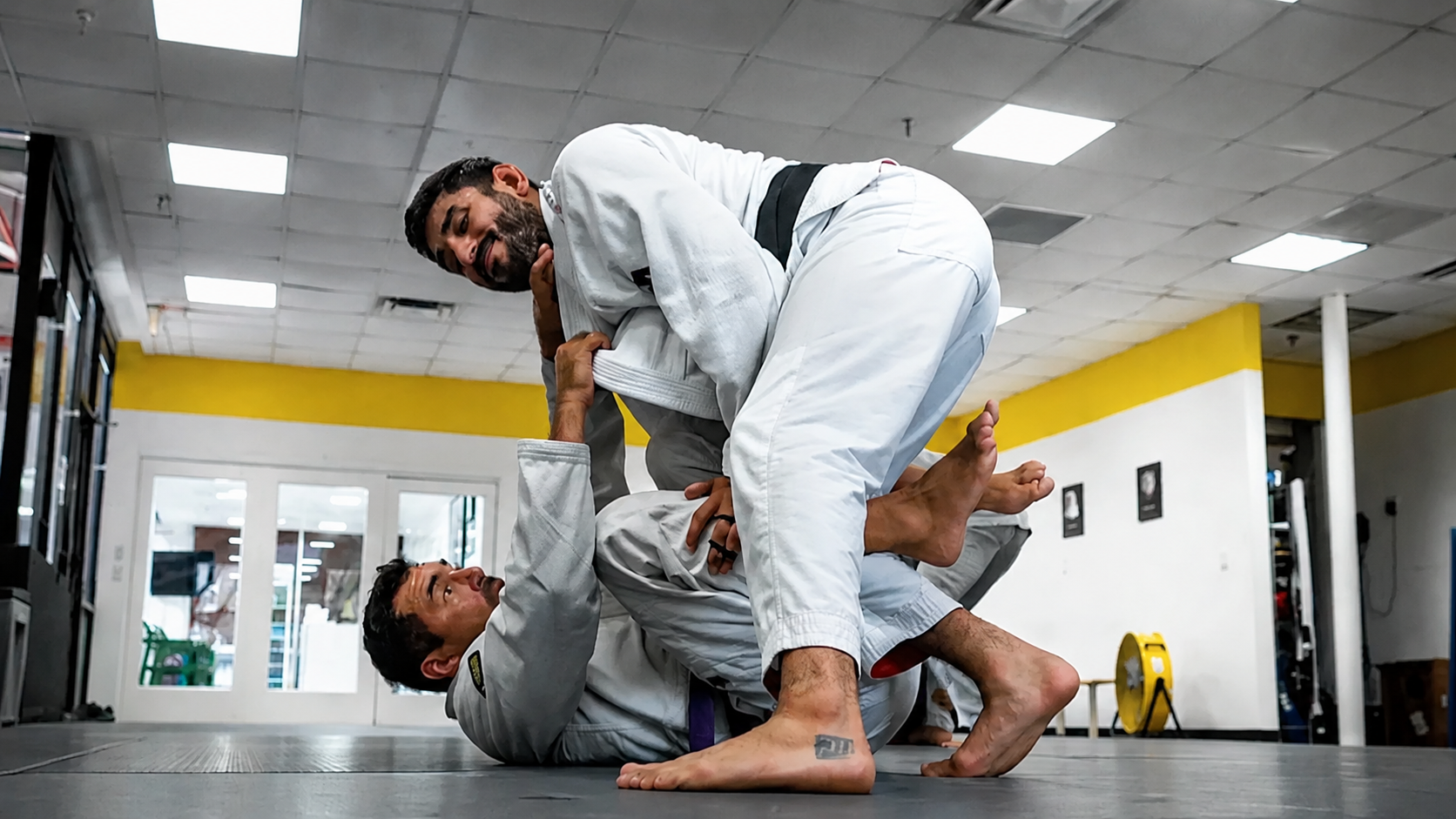
Why Training Jiu-Jitsu Once a Week Can Feel Like Starting Over
March 19, 2025
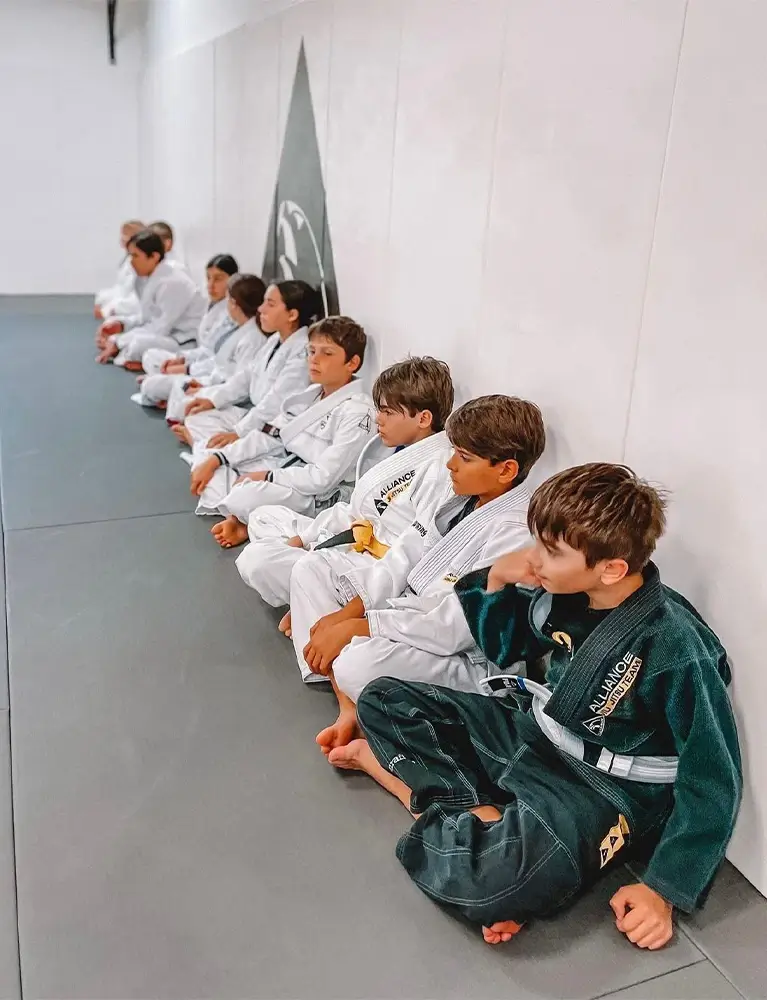
Legacy and Future of Alliance Jiu-Jitsu
March 19, 2025
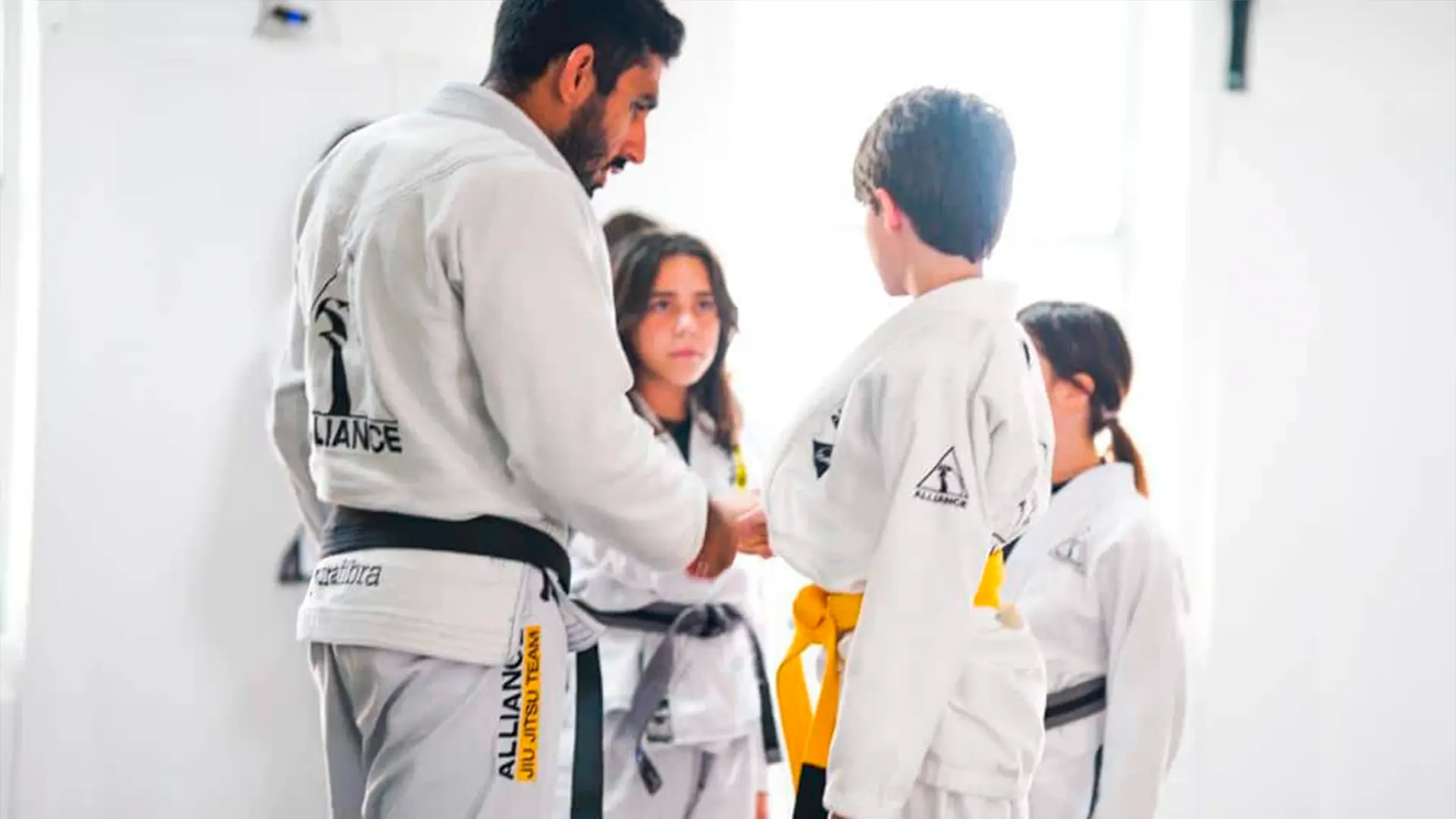
Alliance Key Biscayne: Jiu-Jitsu for Everyone
March 19, 2025
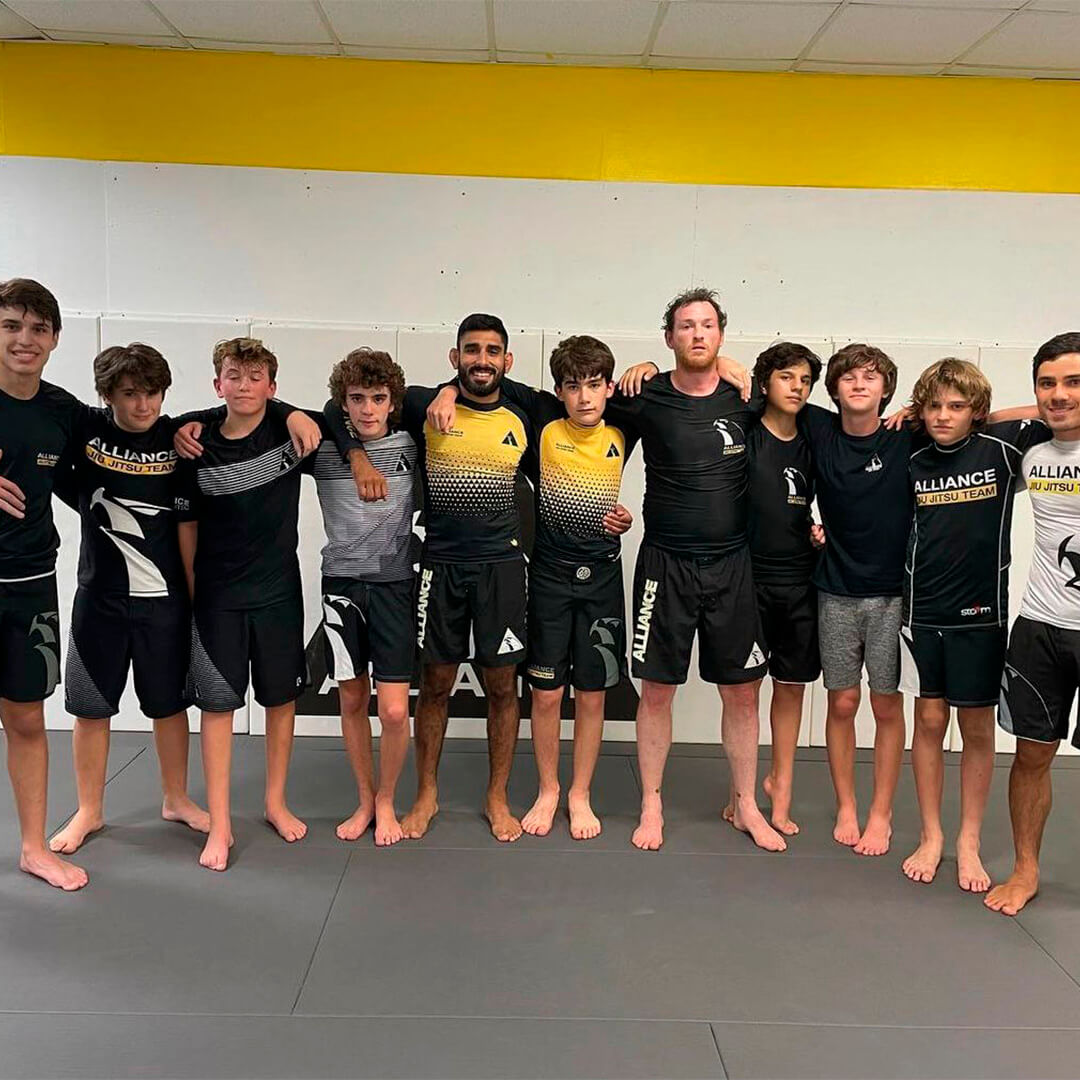
The History Of The Alliance Association
March 19, 2025